
An audio introduction:
18/3/26:
I’m now the proud owner of several items of Clansman military radio equipment. The radios are an RT320 (Plessey PRC-320). An RT349. An RT351. An RT-352. I also have many accessories such as antennas, a hand generator, a Morse key, two loudspeakers, several headsets and handsets, cables, two antenna masts, a GS backpack carrier, canvas bags, a SURF Unit R F 4 Watt and much more. I also have six batteries. Two are definitely knackered but I think the other four are OK.
This is all new to me. I’m used to dealing with 1940s valve equipment such as the Marconi CR100, the HRO receiver, an AR88, 19 set, 18 set… but I’m enjoying the more modern gear.
21/3/26:
I’ve just had my first 40 metre contact with GX4BRA using the PCR-320. Good 5 and 9 signals both ways. The antenna I used was a 150 foot end-fed with the radio’s internal manual ATU. The audio on transmit and receive is very toppy, which is ideal for communications. Even on low volume, I can hear what stations are saying. Unlike some amateur stations where the microphone is connected to the radio via an audio equaliser to increase the bass. In my opinion, it sounds dreadful!
I’m looking forward to taking the radio up into the hills of the South Downs this summer. I might take it to the Isle of Wight and work some DX during our holiday this year.
5/4/26:
I’ve been having some great contacts on 40 metres. Today, I worked GB0CC, RAF Coastal Command. My report was 5 and 9 with really punchy audio. Many stations have commented on the communication quality of my audio. The Clansman is doing a great job.
Photos:
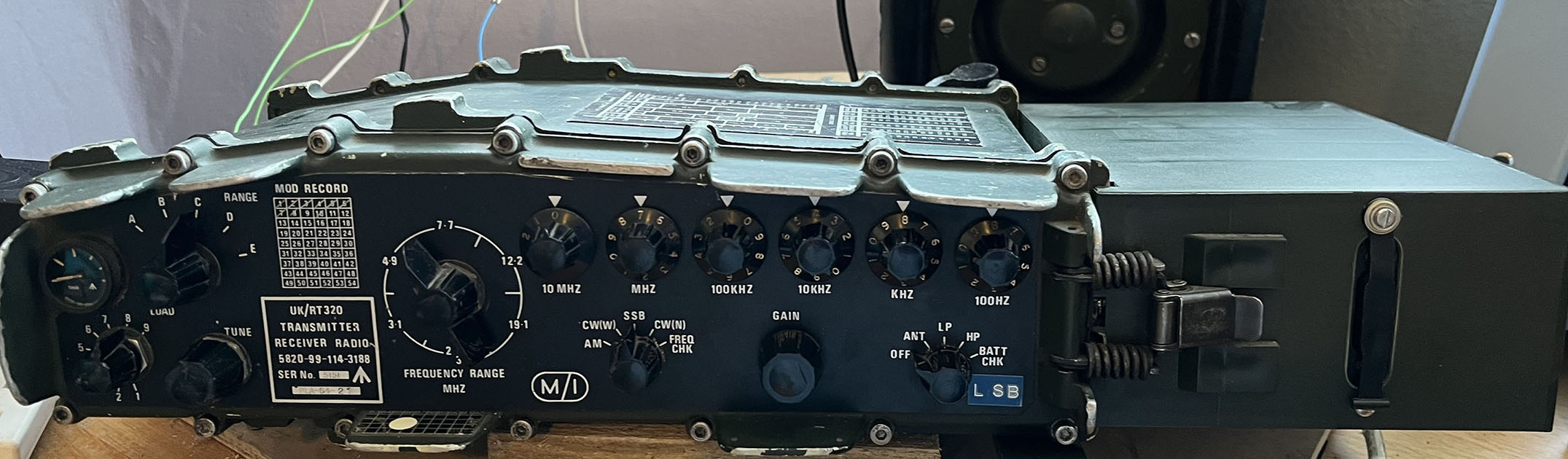
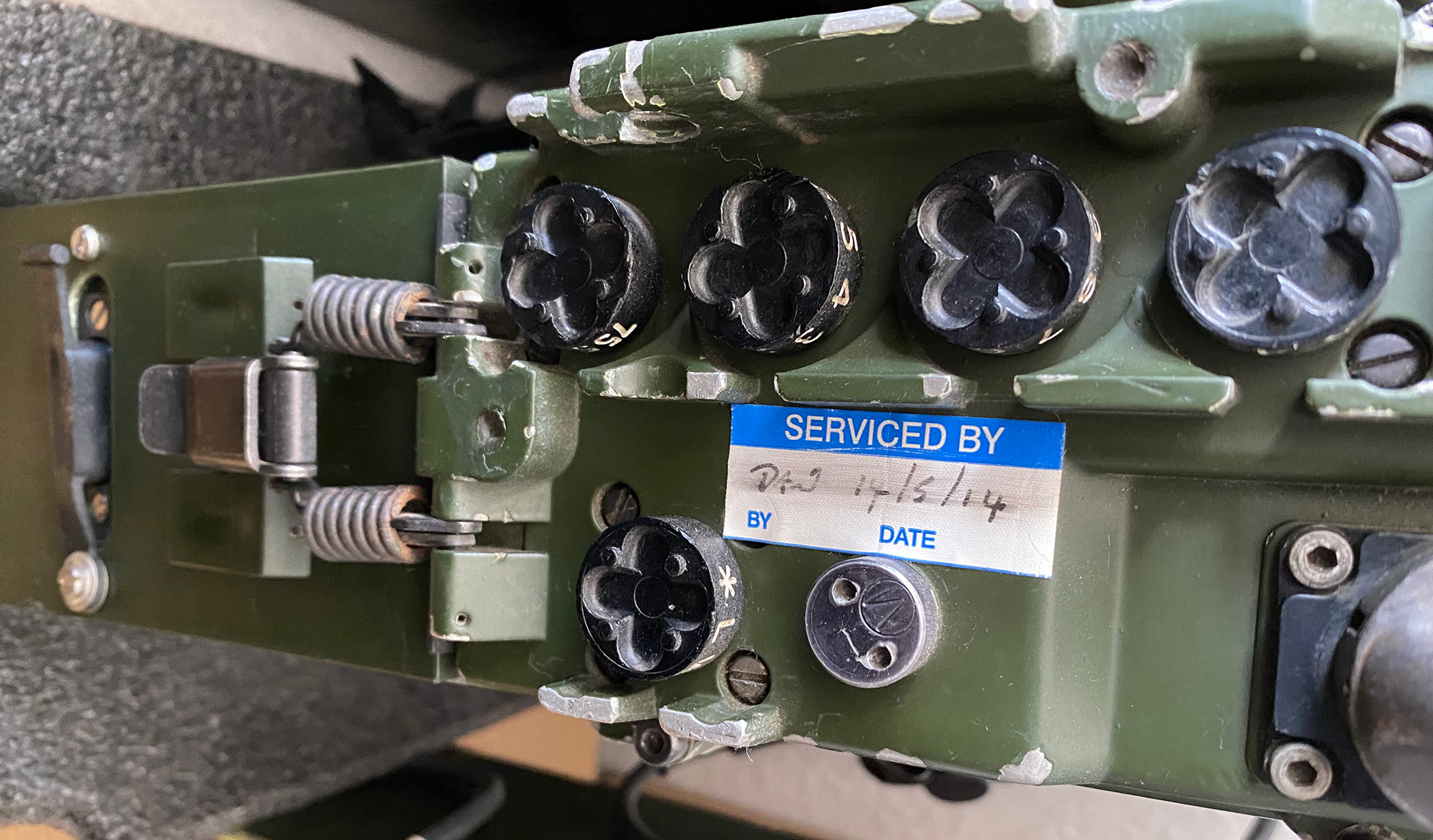
The Clansman PCR-320 HF transceiver. It’s had the LSB modification and the set works very well. There’s one fin missing from the casing just above the MHz knobs but, apart from that, there’s negligible damage.
Faded numbering on control knobs:
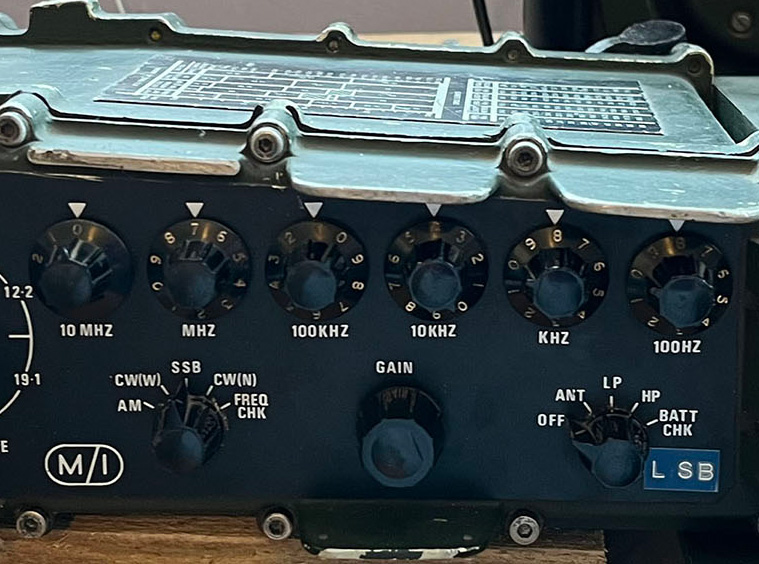
I’ve been having problems reading the decade frequency knobs due to faded numbers. A friend suggested going over the numbers with a chinagraph pencil. I checked it out and the pencil is white hard wax. The results were amazing! Below, faded numbering.
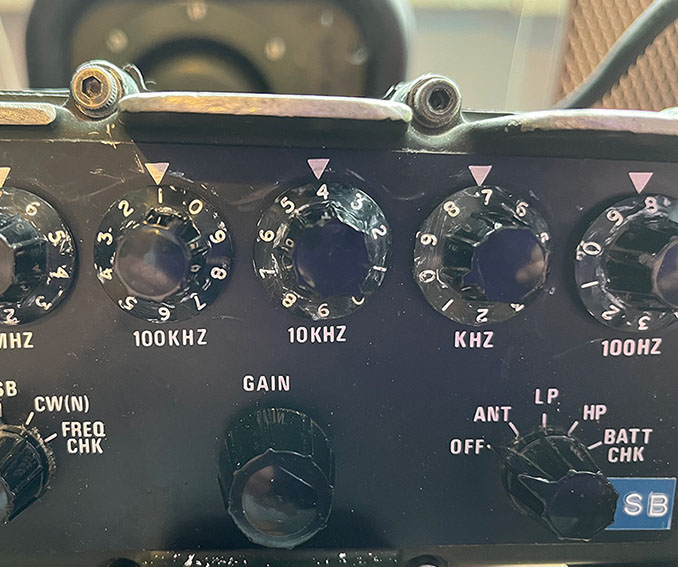
Below, numbering after using chinagraph pencil. It will look much better once I’ve cleaned off the excess wax. But you can see the difference in the numbering.
Below, various antenna accessories.
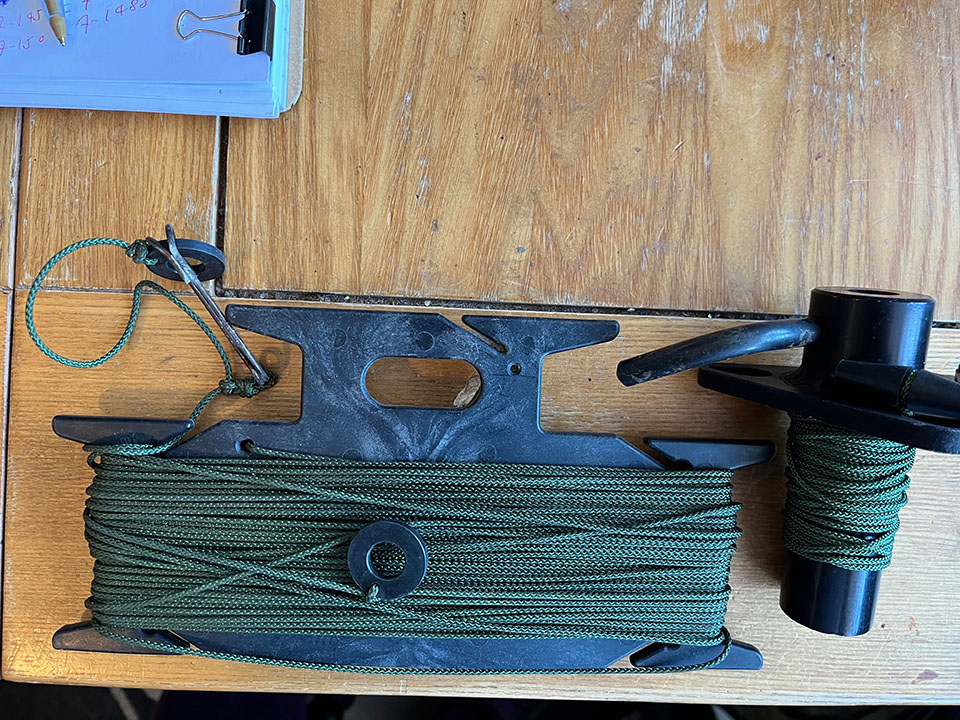
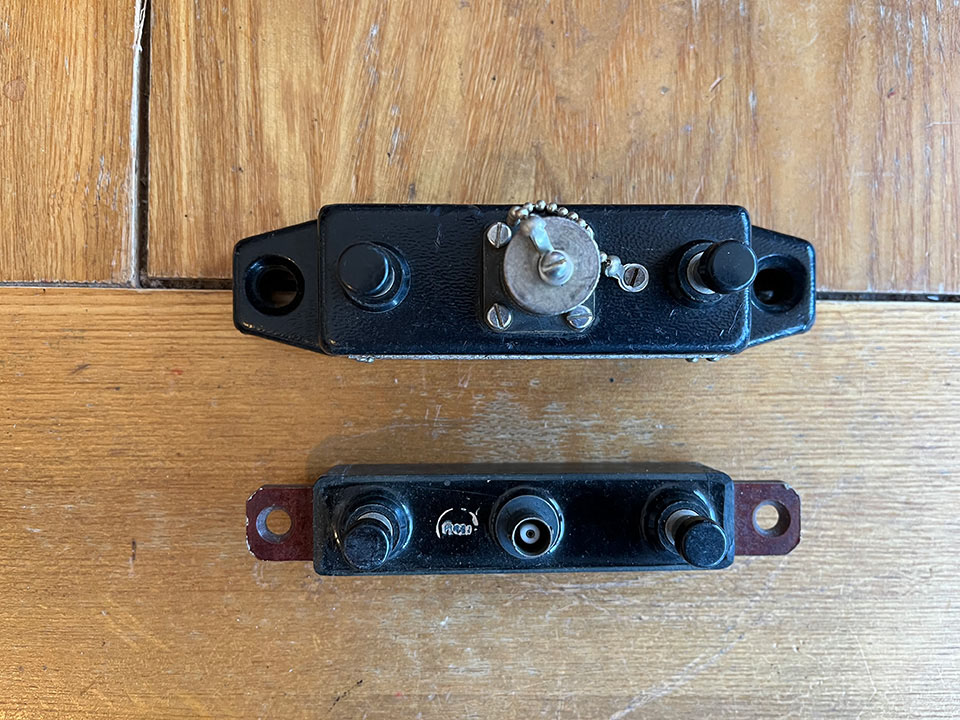
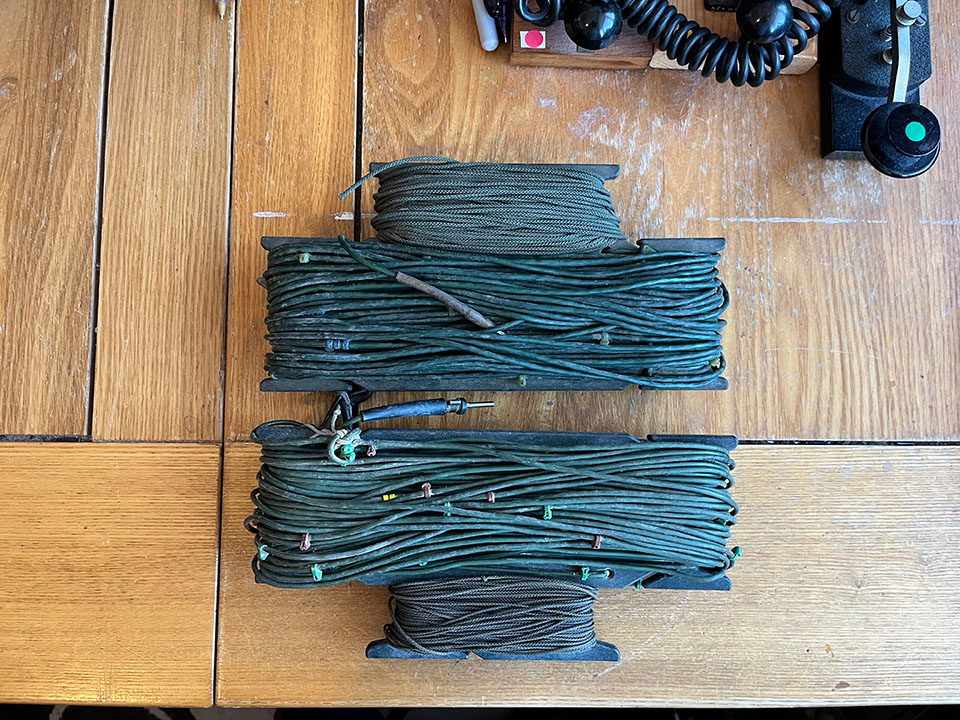
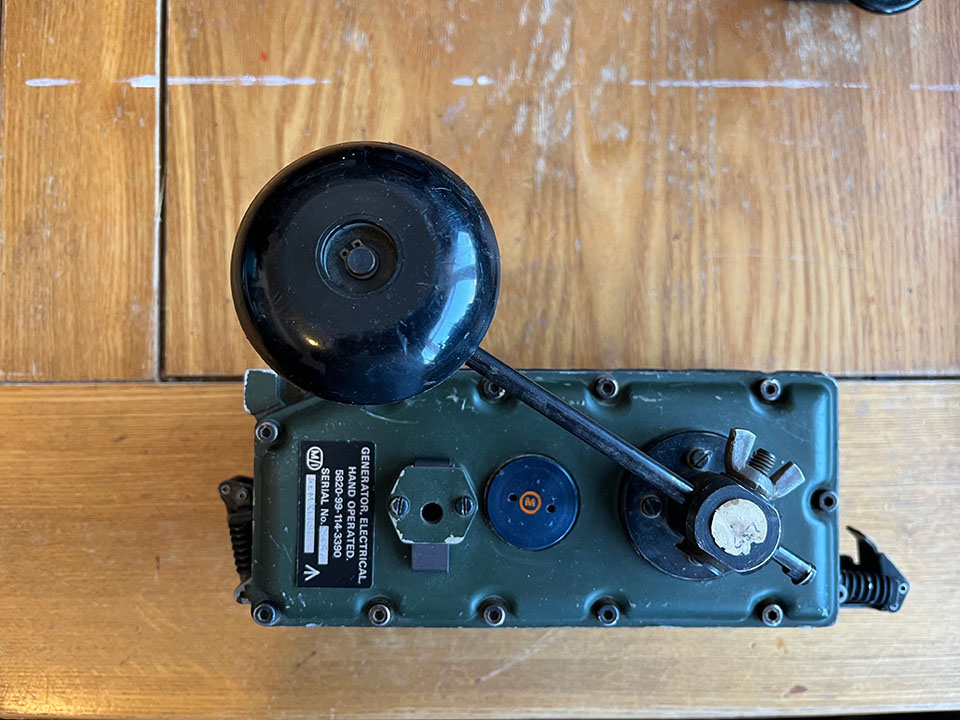
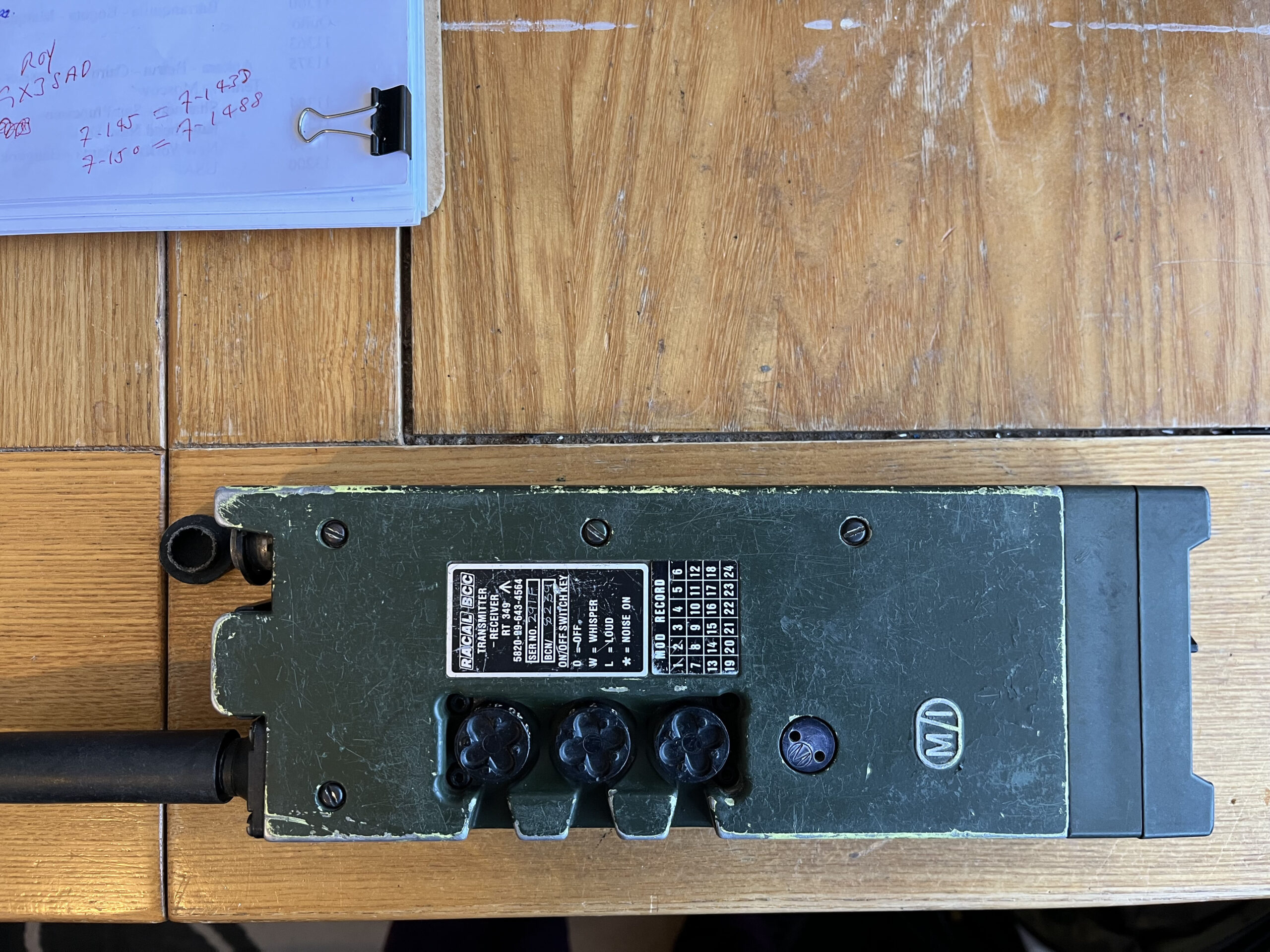
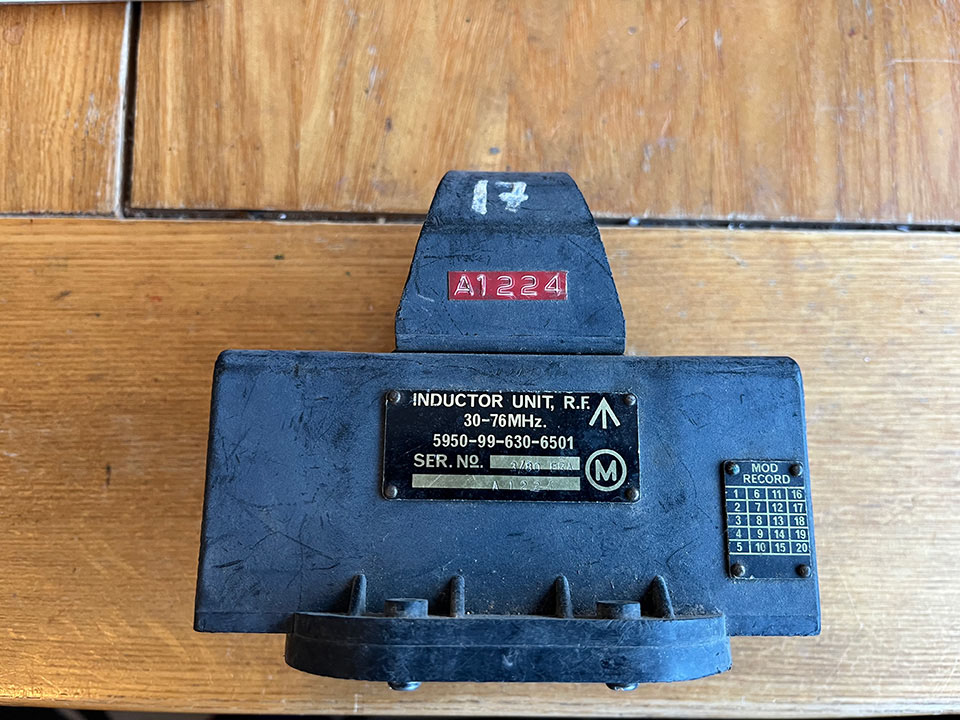
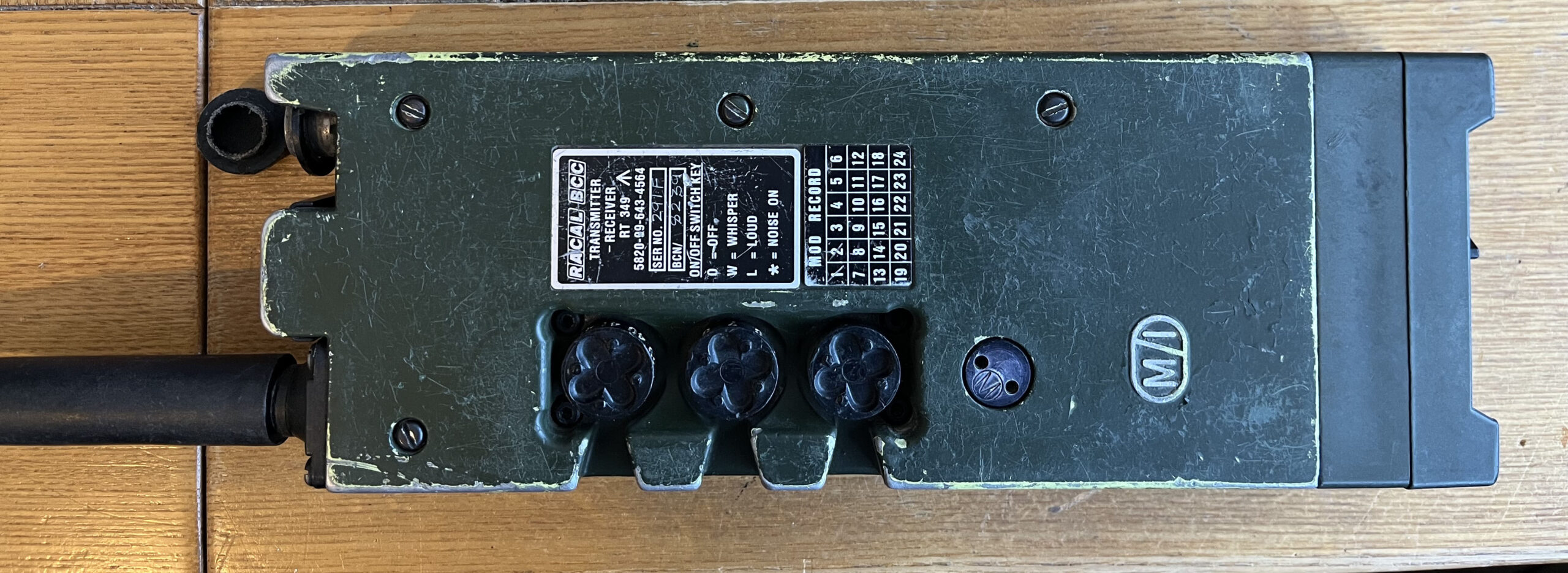
Below left, hand generator – known in the army as, Charger Battery DC 28V. Centre, RT-349 VHF FM transceiver. Right, Inductor Unit RF.
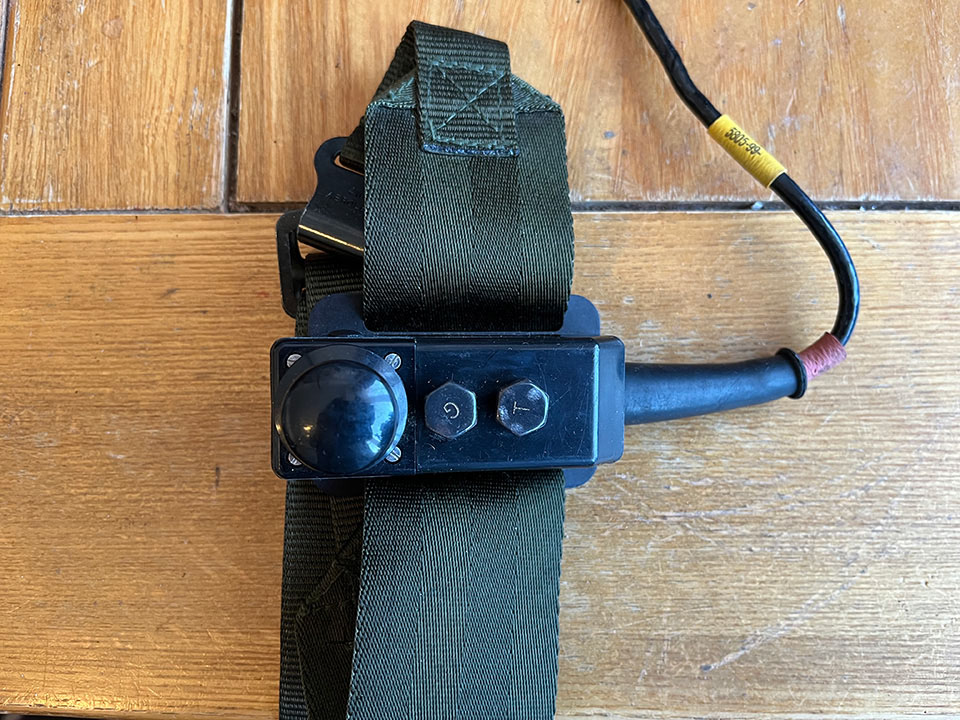
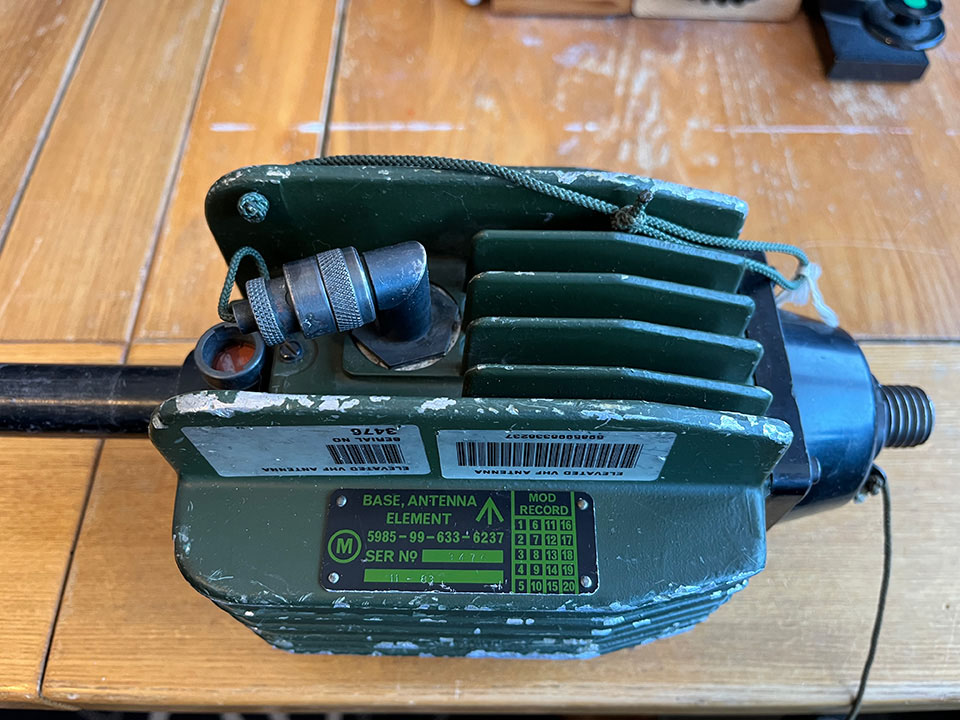
Below left, Morse key. Centre, Base Antenna Element. Right, speaker.
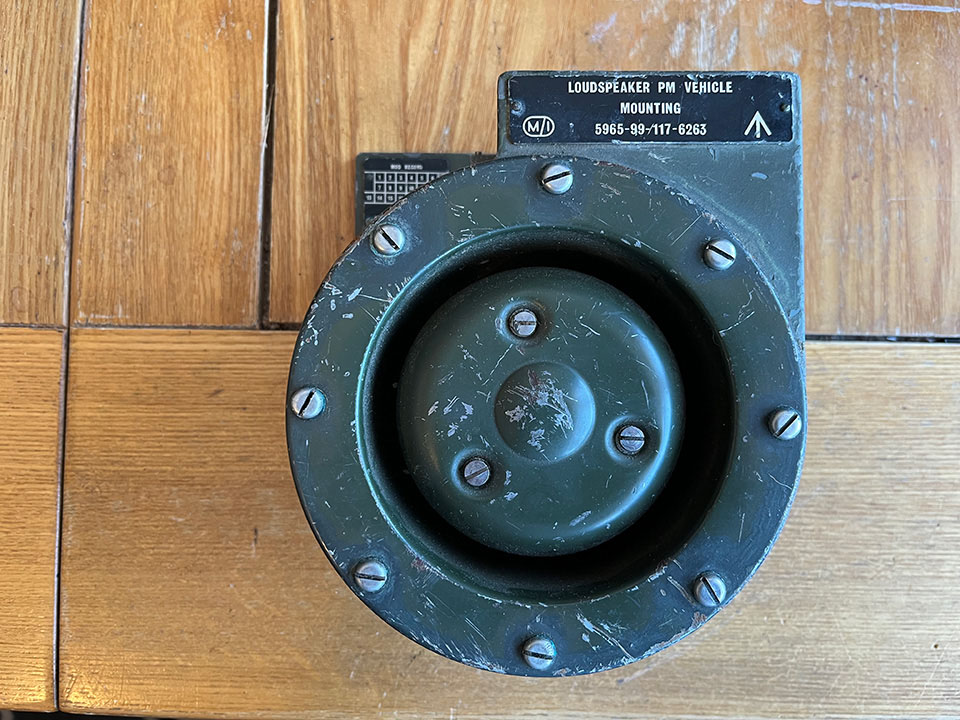
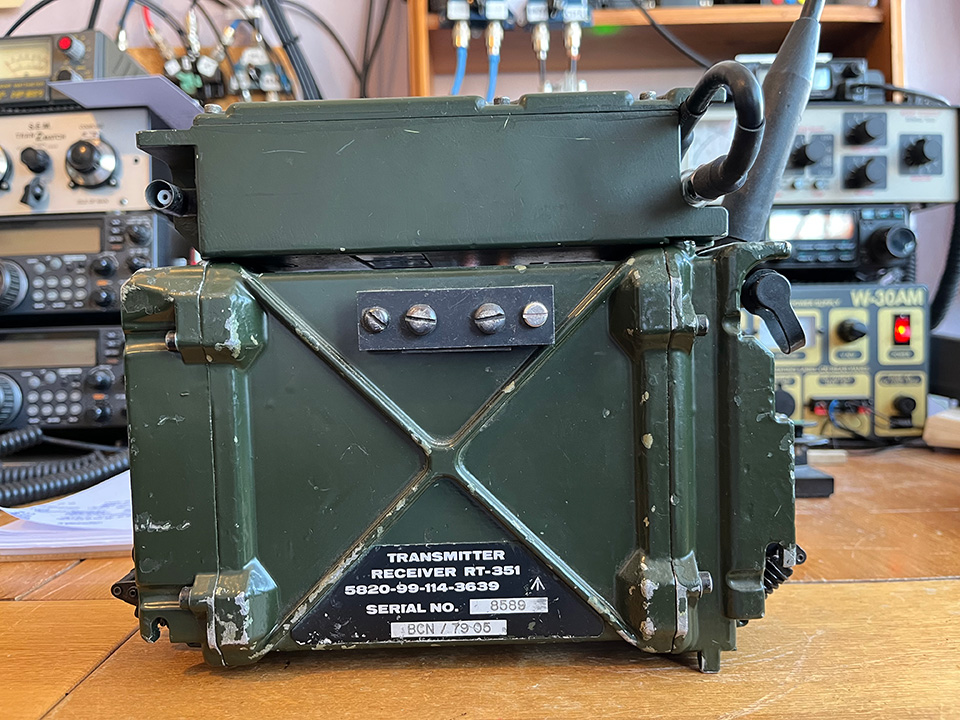
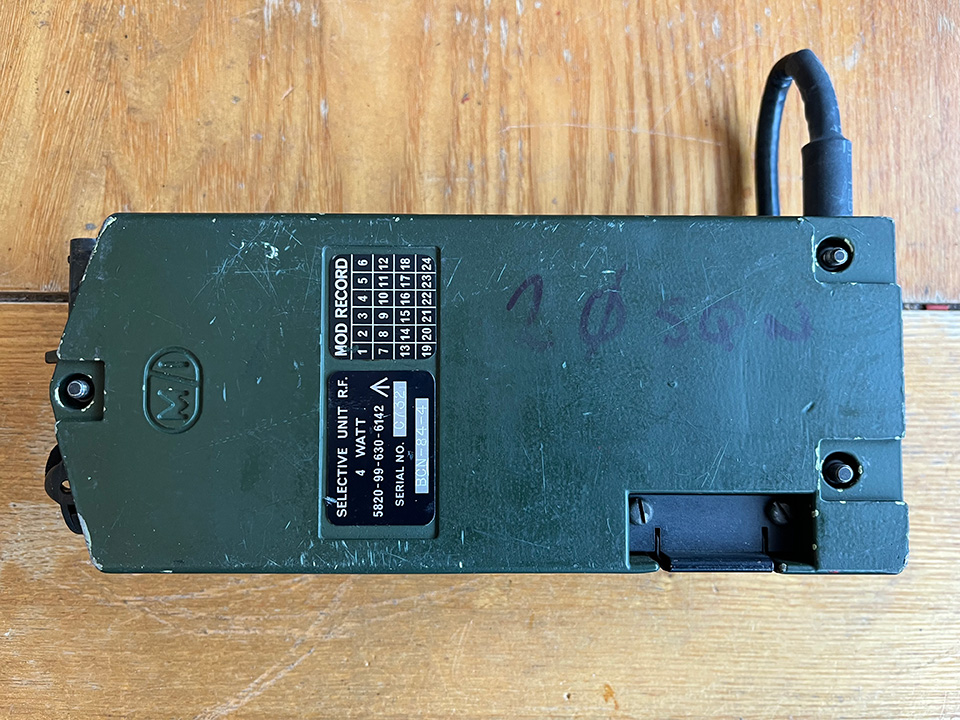
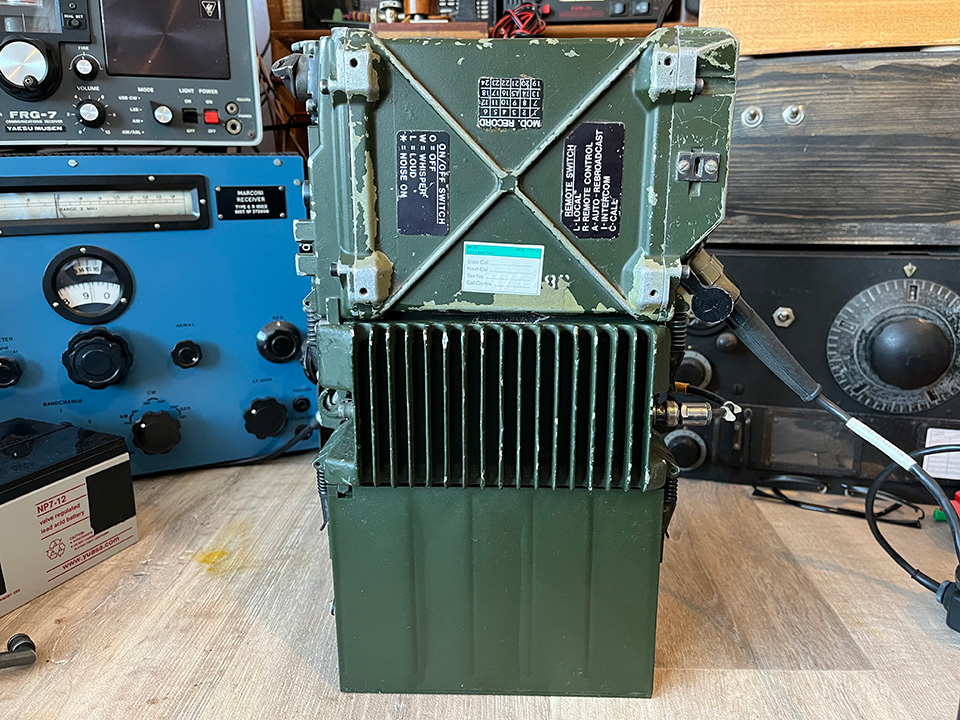
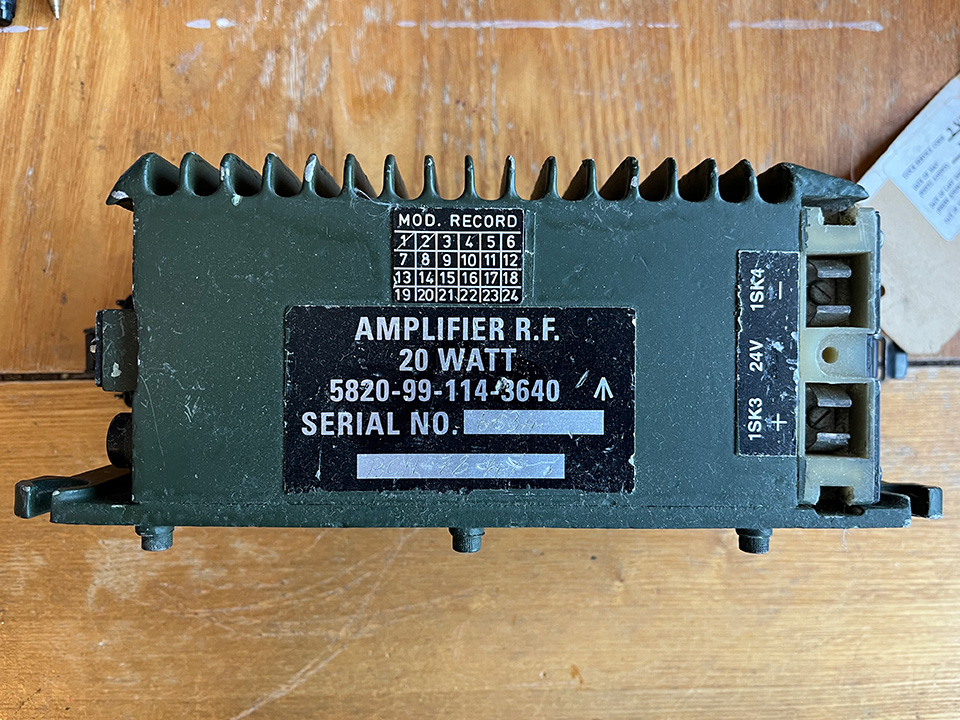
Below left, RT-351 with selective unit Surf RF 4 Watt. Centre, RT-351. Right, 20 Watt amplifier for the RT-351.
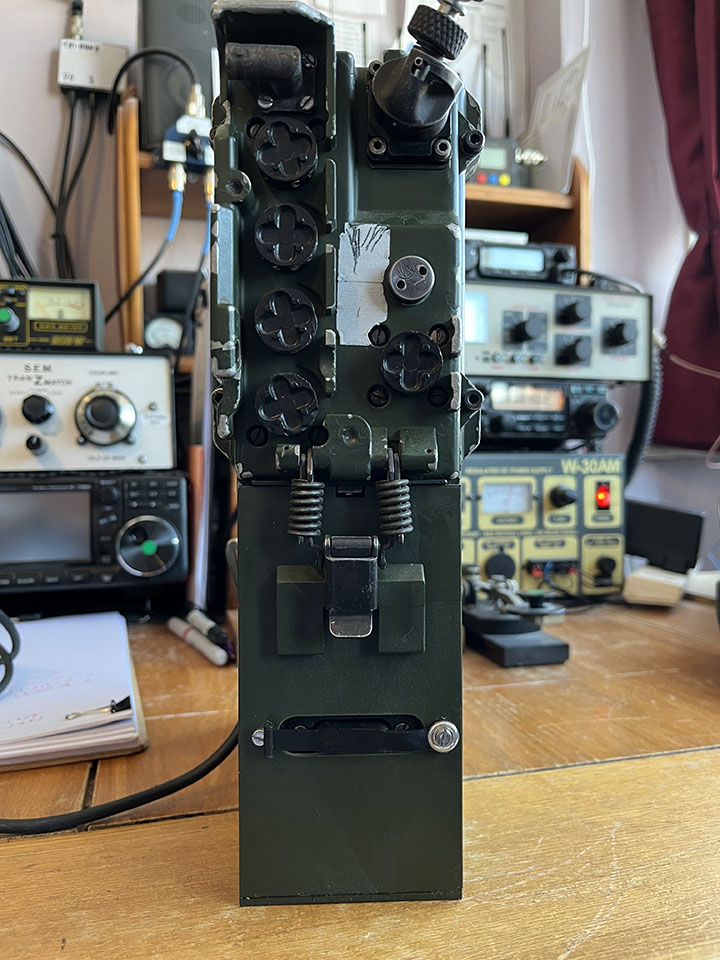
Below left, remote battery cable. Centre, attached to battery. Right, attached to radio.
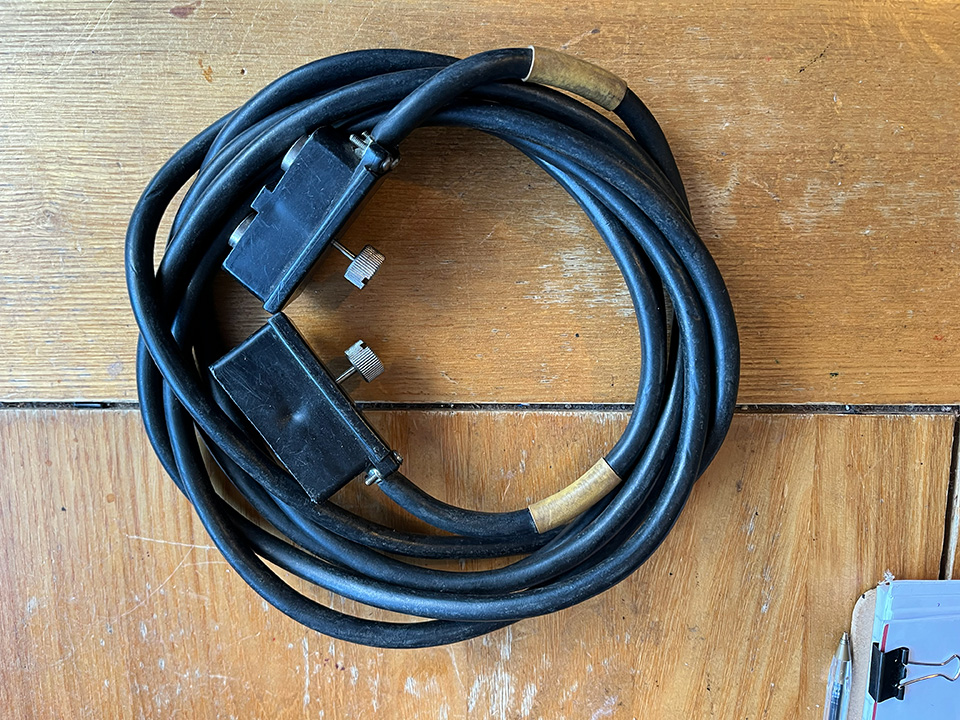
The Clansman RT-320 / PRC-320:
This is a lightweight HF SSB radio system developed as part of the British Army’s Clansman communications range, designed for reliable combat use in a wide variety of environments worldwide. It was widely employed by long-range patrol units and Special Forces, valued for its excellent sky-wave propagation performance and its integral hand generator, which enables operation in remote areas without external power sources.
The system operates across the 2 to 30 MHz frequency band with 100 Hz channel spacing, providing access to approximately 280,000 selectable frequencies. Frequency selection is achieved by decade control knobs that drive a micro-miniature synthesizer which is locked to a temperature-compensated reference oscillator. This design ensures a high degree of frequency stability under all environmental conditions.
The PRC-320 supports multiple transmission modes, including USB, AM and CW in both wide and narrow bandwidths. Speech processing and automatic level control are incorporated to enable effective “whisper speech” operation while maintaining a high mean output power.
With a transmitter output of 30 W peak envelope power when used with a 2.4 m whip antenna, the PRC-320 is capable of achieving ground-wave communication ranges in excess of 40 km by day under normal conditions.
The set is equally well suited for use as a ground station, operating with fixed ground-wave or sky-wave antennas. When used with a dipole or end-fed antenna, it can achieve sky-wave communication ranges from approximately 50 km to over 2,000 km, depending on conditions. This performance is supported by its high-grade receiver and an efficient manual ATU which is integral to the transceiver.
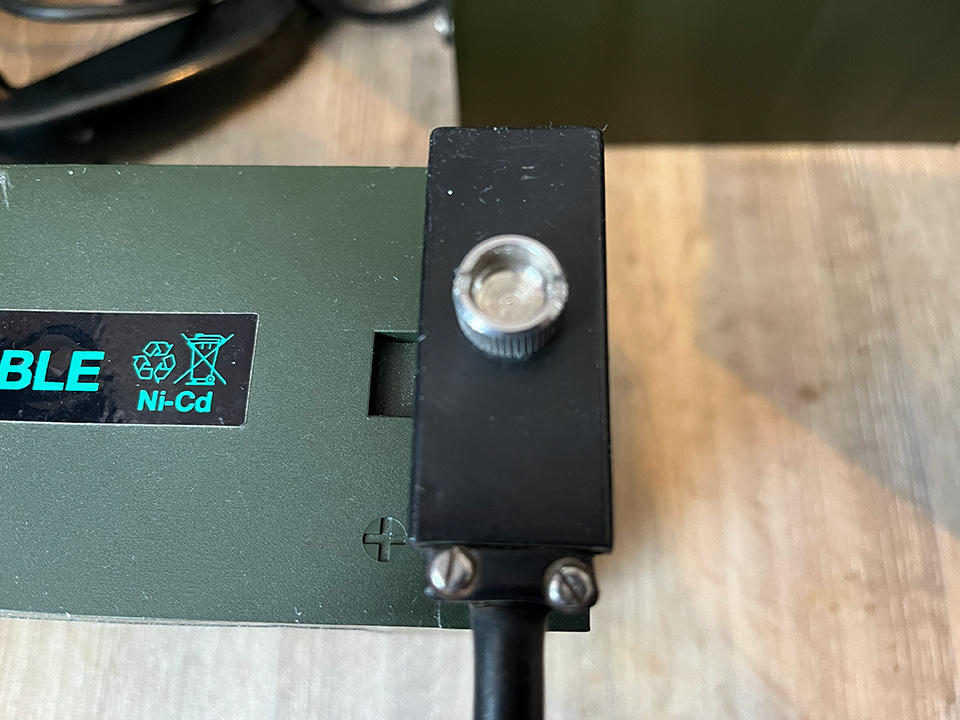
The is normally powered by rechargeable 24 V nickel-cadmium (Ni-Cd) batteries, available in 1 Ah or 3.3 Ah capacities. Alternatively, it can be operated using a hand generator system with a 1 Ah battery, making it suitable for extended use in remote locations. Remote operation is also possible at distances of up to 3 km.
With its manpack frame and battery, the PRC-320 can be readily adapted for vehicle use as a clip-in installation. In this configuration, a vehicle-mounted antenna is employed, and the battery is maintained on float charge via a DC charging unit connected to the vehicle’s electrical system.
Technical Specification:
Frequency Range: 2 – 29.999 MHz
Output Power: 30 or 3 W AM: 7.5 W
Channel Spacing: 100 Hz
Number of Channels: 280,000
Modes of Operation: USB, AM, CW wide (2900 Hz), CW narrow ( 400 Hz)
Sensitivity: SSB / CW Narrow 1.7ÁV @ 20 dB AM 7.5 ÁV @ 20 dB
Power Requirements: 20-28 VDC
Power consumption: Receiving 175 mA. Low HF output 1.2 A High HF output
Battery: 24 V NiCad
Measurements and weight: 330 x 250 x 90mm, 11 kg
Clansman RT-351 / VRC-351:
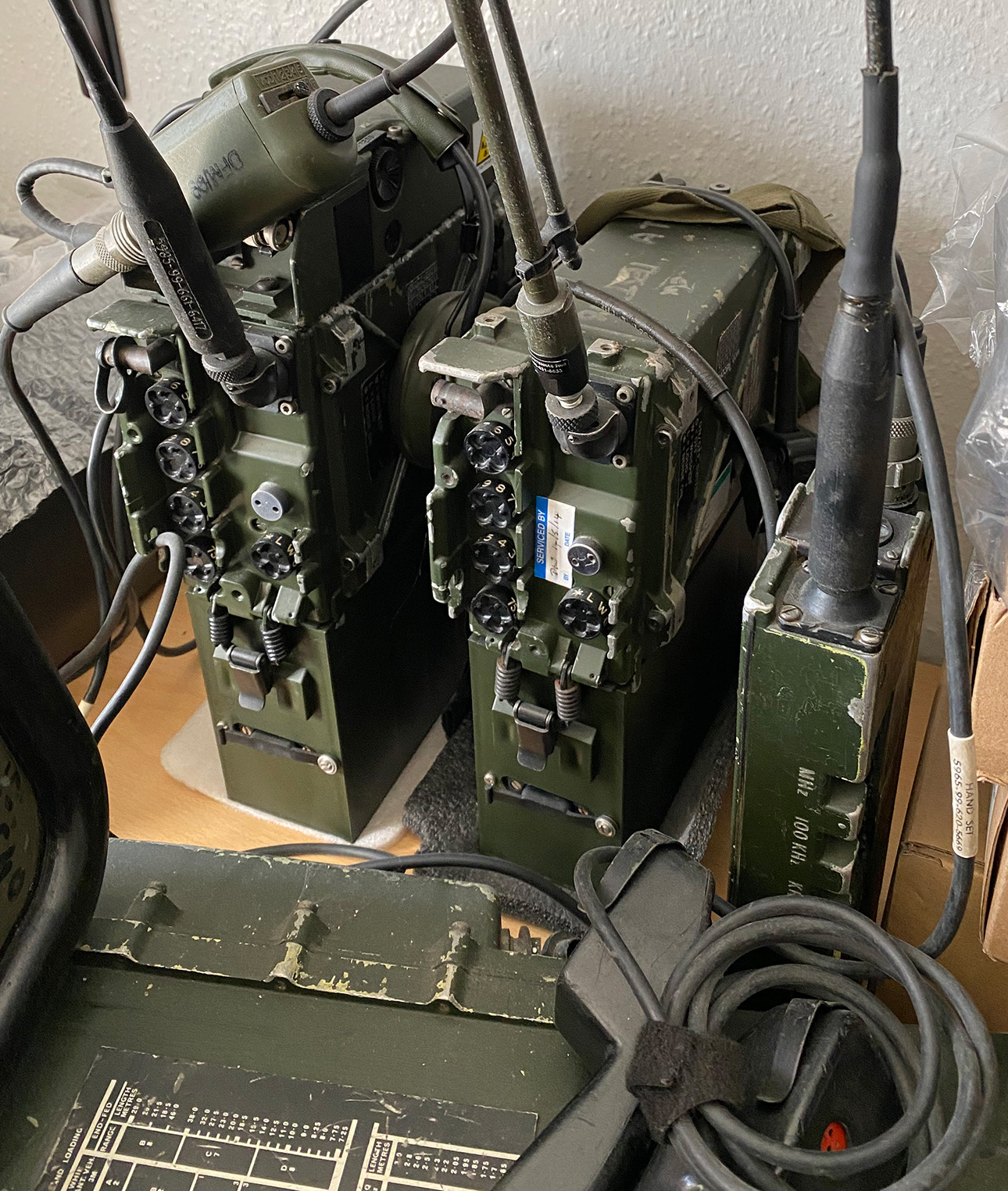
This is a 4-watt portable VHF FM back-pack radio manufactured by RACAL BCC Ltd., England. Designed to provide command communications at battalion and company level for dismounted troops, it was also widely used in vehicles by mounted units. The PRC-351 replaced the older British VHF radios, the A41 and A42.
The problem with the 351 is the 25KHz channel steps, they don’t align with the 6 metre band plan on many channels. The radio can’t select the FM calling channel, 51.51MHz. However, it does tune into 70.450MHz, the 4 metre FM calling frequency. I shall be out and about working portable with the radio once the weather improves.
Frequency & Channel Selection:
The PRC-351 operates over a frequency range of 30.00 to 76.00 MHz in 25 kHz steps, providing a total of 1,841 programmable channels. Frequencies are set using four side-mounted knobs, which can be operated even while wearing Arctic mittens or in the dark by counting clicks from the end stops.
Technical Specifications:
Intermediate Frequency: 11.525 MHz
Frequency Stability: ±5 ppm per year
Voice Mode: F3E Narrow, ±5 kHz deviation
Telegraph Mode: F2, 75 Baud
Operating Modes
Whisper Mode: Reduces receiver audio and increases microphone sensitivity for quiet operations
Loud Mode: Enhances audio for noisy environments
Noise-On Mode: Operates with squelch disabled
Squelch & Signal Features
Local squelch operates via 150 Hz tone modulation of the transmitted signal or 160 Hz superimposed on the received signal
Auto-Rebroadcast functions on 150 Hz modulated receive signals
Power Supply Options:
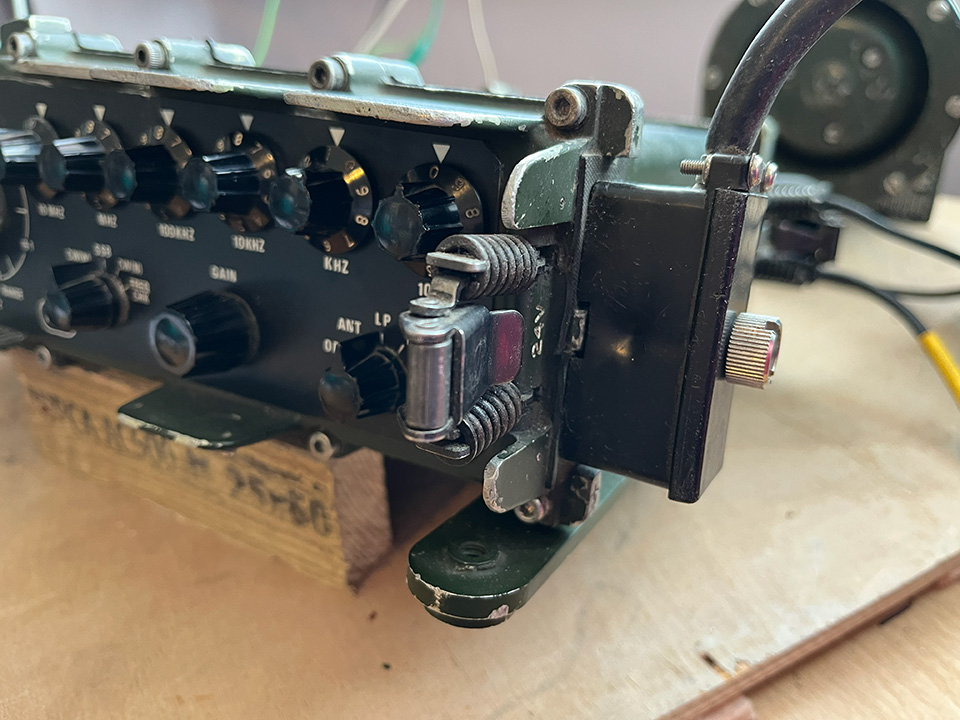
The radio is powered by a standard Clansman 24-volt battery pack, which clips onto the bottom of the unit. Additional power options include:
Hand Generator: Clips between radio and battery for manual operation
Vehicle Power Supply: Connects to a 24 V DC source
AC/DC Power Supply: UK-AC1-2870 14/28 V AC adaptor via a modified battery extension lead.
Update 23-3-26:
I joined a 4 metre net on 70.375 and had good reports. I was surprised as I used the radio in the house with its whip antenna.
Photo. RT-351:
SURF unit for PRC351:
The Selective Unit RF 4 Watt is used when more than one radio is used in close proximate. This is to prevent one radio interfering with the other radio. The SURF is then tuned to give optimum performance and maximum range with the radio set.
The complete set up: RT-351 with battery and 20 Watt amplifier:
I’ve tried the RF amplifier (below) on the 6 metre amateur band and works perfectly. I monitor 51.600 FM when I can. Apparently, this is the Clansman calling and working frequency?
Clansman RT-352:
The RT-352 is an RT-351 with a 20 Watt amplifier fitted. The radio delivers an output power of 20 watts into a 50-ohm load when using the RF amplifier. However, the amplifier cannot be used for high-power transmission with the standard whip antenna. Instead, a ground-spike antenna must be employed. High-power operation with the amplifier is therefore limited to fixed installations or vehicle-mounted use, where a suitable antenna system is available. For man-pack (mobile) operation, the battle antenna is fitted and the radio is operated on low power, bypassing the amplifier and effectively functioning as a PRC-351.
The Clansman RT-349:
This is a modern synthesised VHF FM radio. Frequency range is 37 to 46.95 MHz in 25 KHz spacing providing 400 channels. Maximum output power is 1 Watt. Frequency selection by 3 thumb wheel knobs on the side of the radio. The radio has Clansman compatible squelch and whisper modes of operation with battery saving function. Operates from 12 Volts using 10 AA batteries inserted inside the battery cassette.
Headphones:
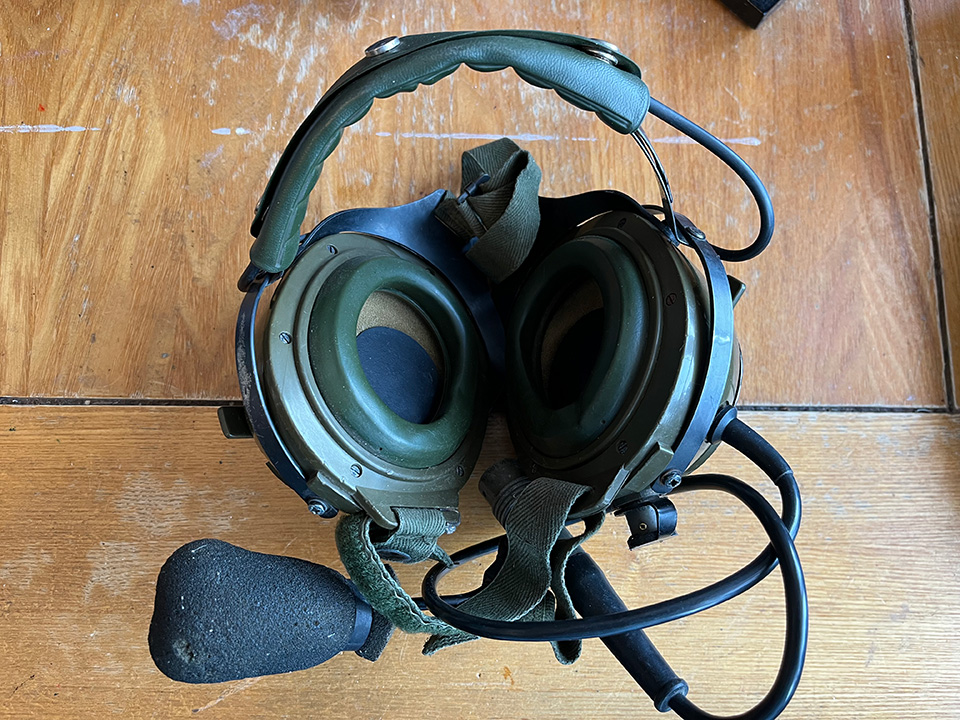
Left, Commanders AFV Headset + PTT. Centre, single transducer, used as headset and mic, PTT on top. Right, head set and throat microphone. I was so impressed with the single transducer, that I bought another one.
Clansman AFV headset:
The Clansman AFV headset is part of the British Army’s Clansman radio system audio gear, designed specifically for use inside armoured fighting vehicles. The headset can be worn beneath a helmet.
Clansman Single Transducer Headset:
The Clansman Single Transducer Headset is a lightweight alternative to the standard handset or headset and throat microphone combinations. It uses a single transducer that functions as both a microphone and a speaker. The headset incorporates a sensitive microphone designed to pick up the operator’s voice while worn. It can also be used as a handheld microphone when required. The integrated speaker, combined with the head strap, allows the operator to keep both hands free for other tasks while receiving transmissions.
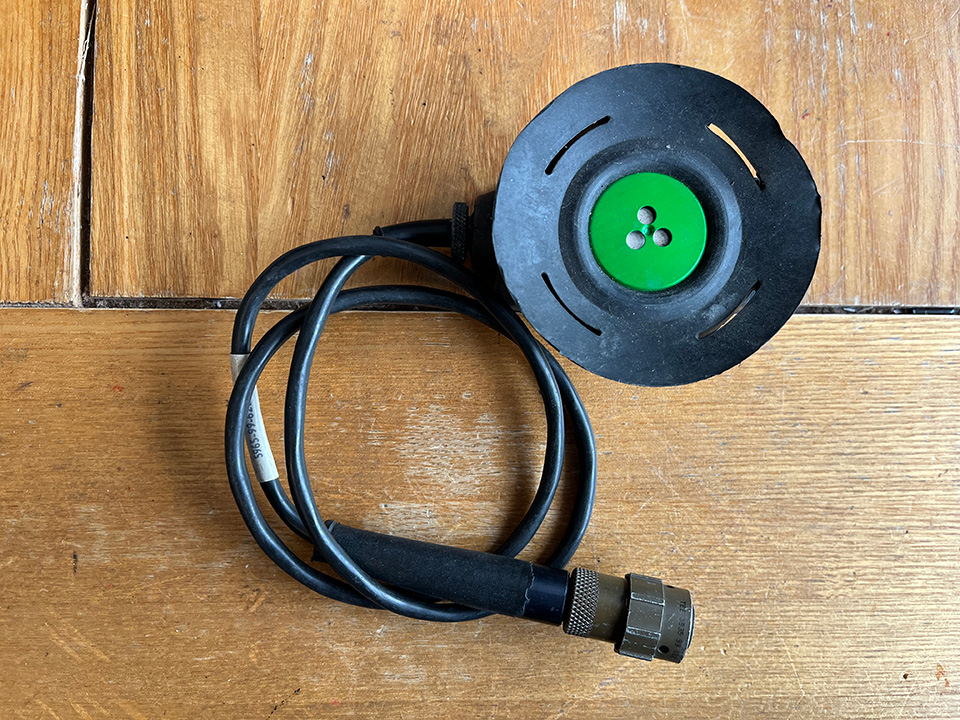
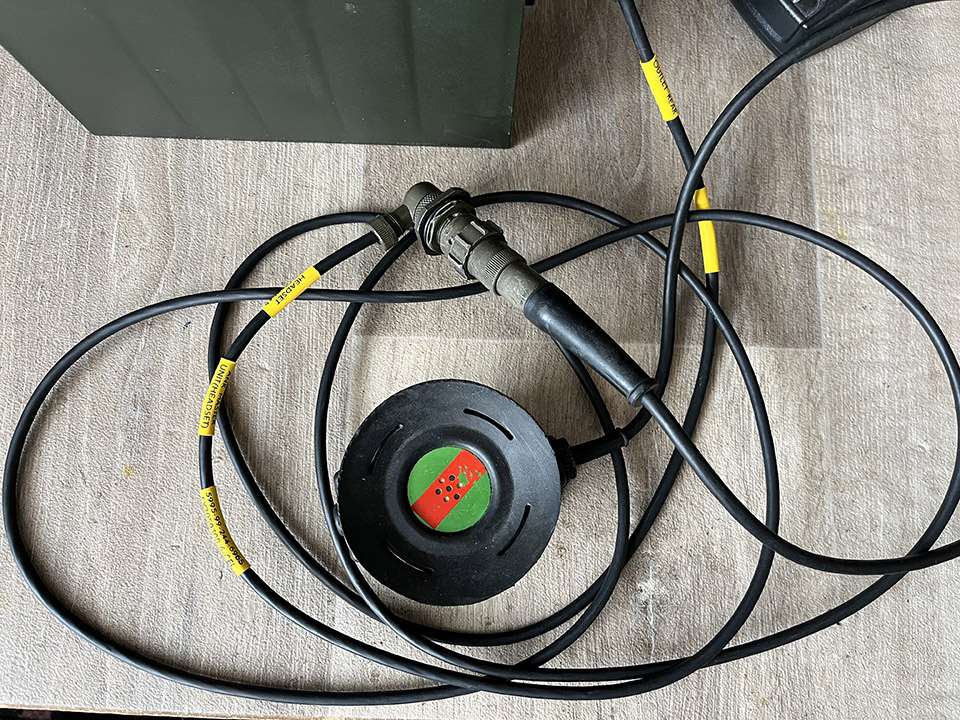
I’ve bought a 2 metre extension lead for the single transducer.
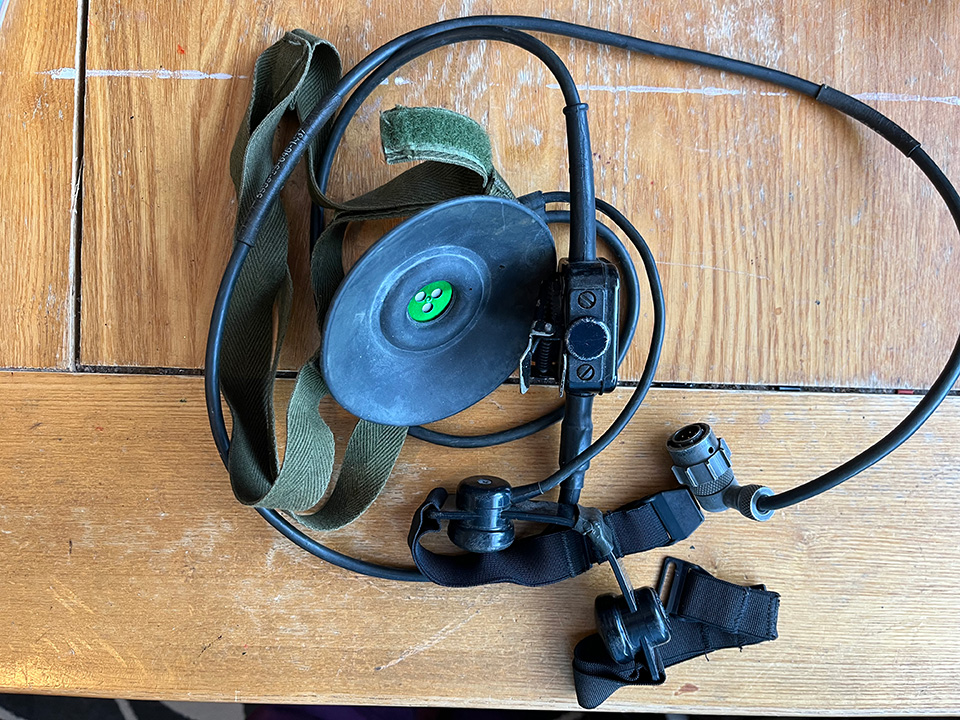
Clansman headset with throat microphone:
The throat microphone (laryngophone) is worn around the neck and picks up vibrations directly from the throat instead of airborne sound.
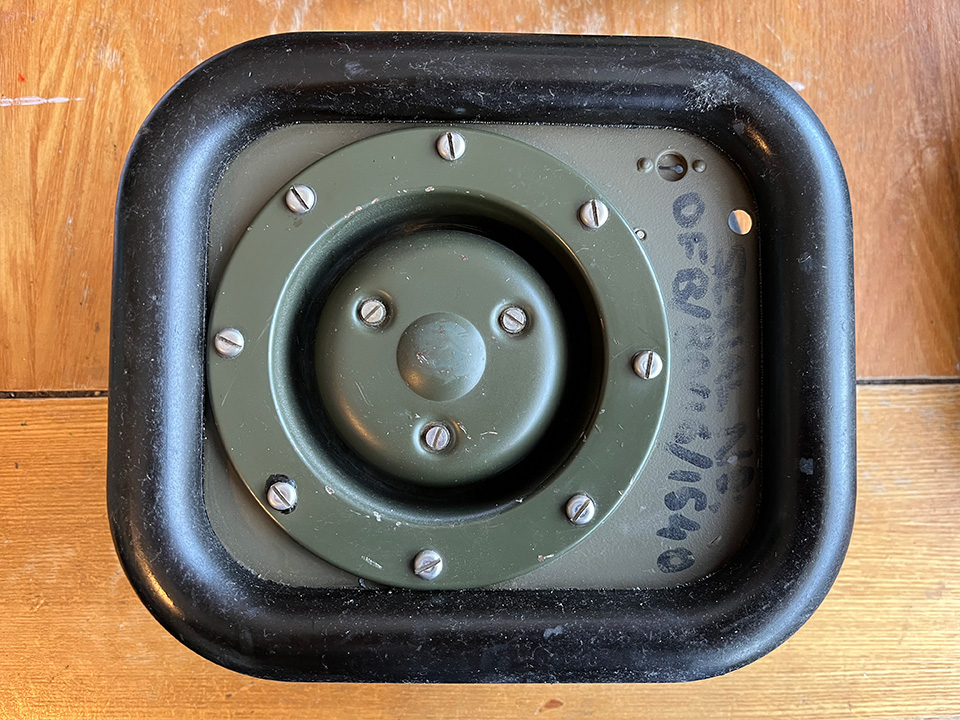
Free standing loudspeaker:
This speaker incorporates a volume control, which is very useful.
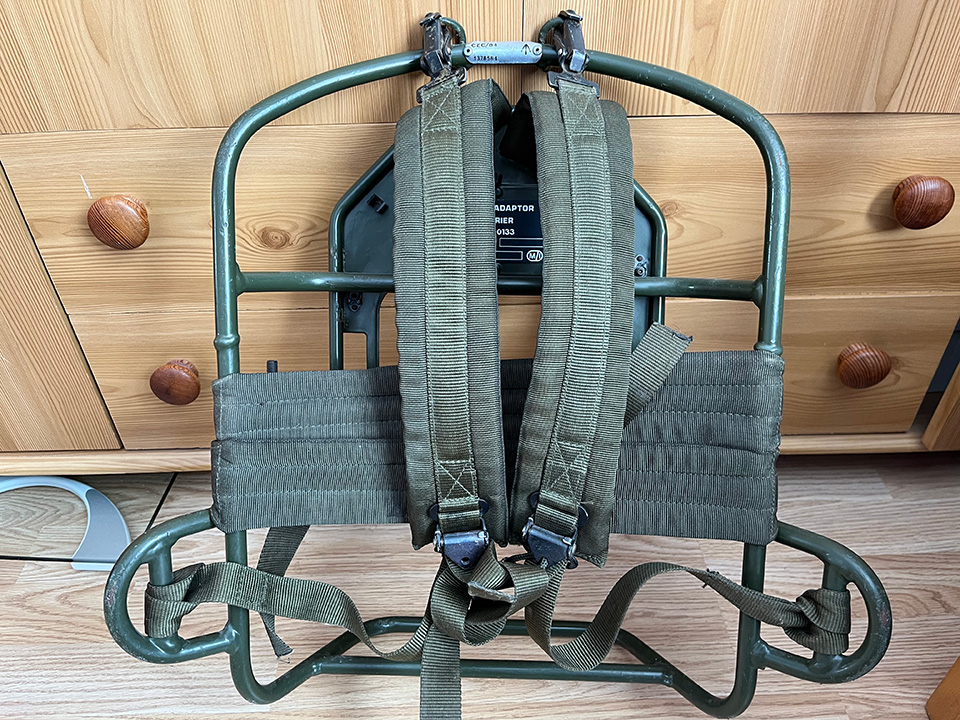
Clansman GS back pack with adapter plate:
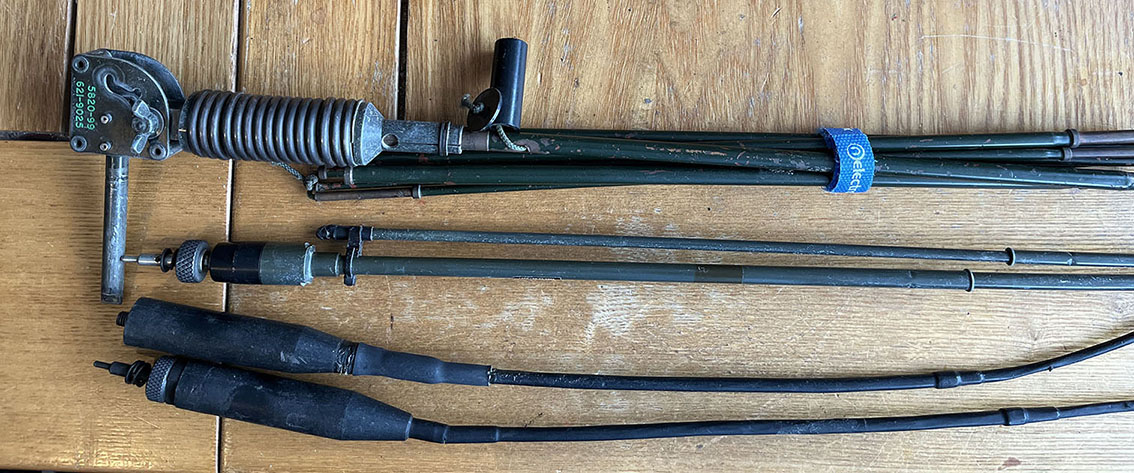
I have several antennas for the Clansman radios:
A flexible whip for PRC350 PRC351 PRC352. Part No. 5985-99-661-6417. Total length is 65cm.
A folding whip for antenna for PRC-350, PRC-351, PRC-352 Man-Pack radios. Part No. 5985-99-661-6201. There are 4 sections to this antenna. When erected, the total length is 120 cm.
A folding whip for antenna for PRC-319, PRC-320. Part No. 5820-99-621-9025. There are 8 sections. When erected, the total length is 2.4m.
A flexible whip for PRC349 radios. Part No, 5985-99-732-6041. Antenna screws directly on to the antenna socket on the radio. Total length is 26 cm.
Dial frequency USB :
When using USB, you will need to add 2kHz to the radio’s dial frequency. This is easy to work out, even for me!
Dial frequency LSB 40 metres:
When on lower side band, you will need to subtract 1.2kHz from the radio’s dial frequency. For example, 7.150MHz will be 7.1488MHz on the dial. This list might be useful to you. Clansman LSB FX to Dial 40m
Dial frequency LSB 80 metres:
I’ll be creating a list for the 80 metre amateur band soon.
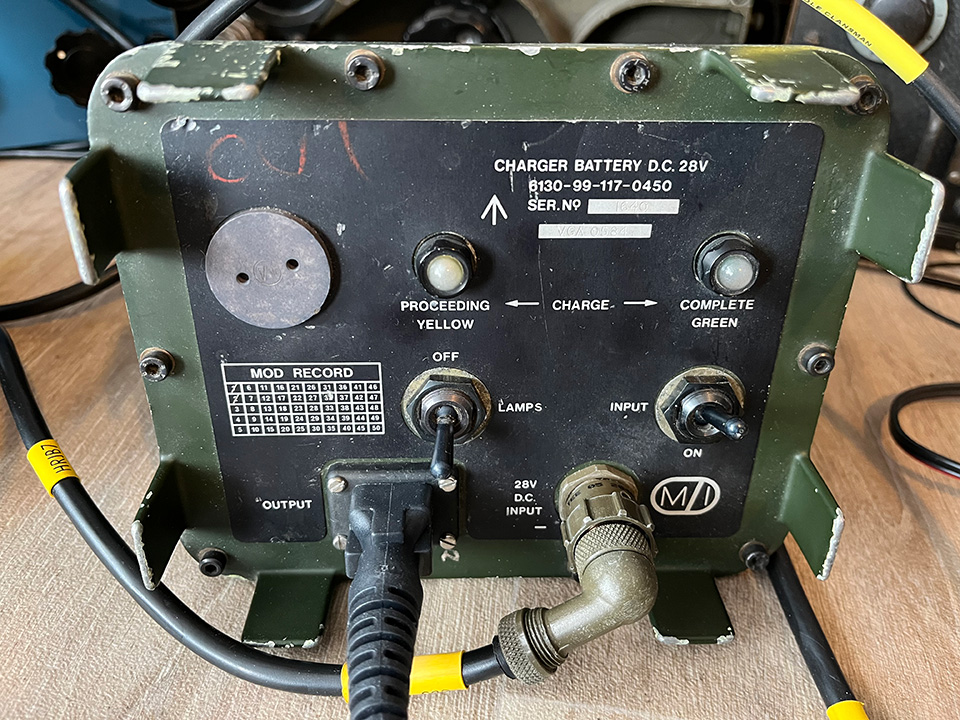
Clansman battery charger 6130-99-117-0450:
This has just arrived in the post. I went for the 28 volt model as I have a 28 volt power supply. Also, the 12 volt model was very expensive. I’ve now charged all five batteries, and they’ve all got the green light! The sixth battery is knackered.
PSU for the charging unit:
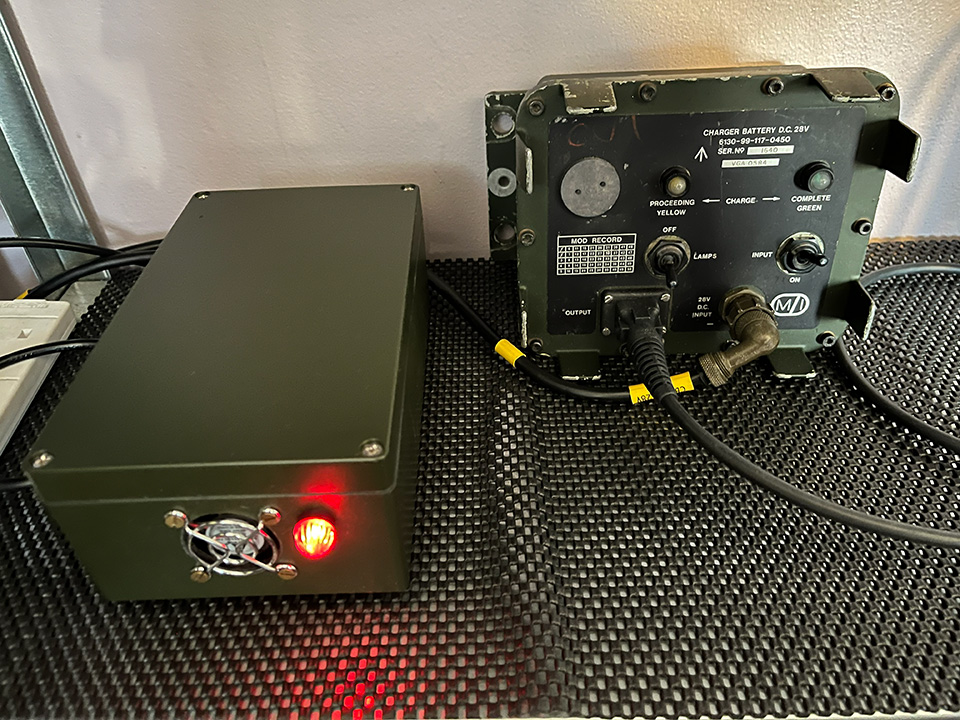
Below is the 28 Volt 3 Amp power supply for the Clansman battery charger unit. It will eventually be mounted in a suitable box with on/off switch and ammeter. I intend to spray paint the box Clansman green, in keeping with all the other equipment. It cost £15 and doesn’t cause interference.
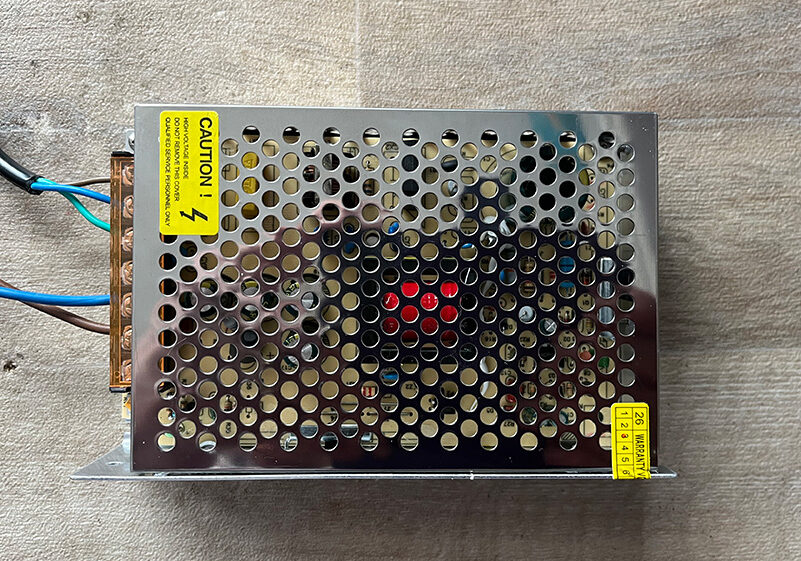
Below is the PSU in its box.
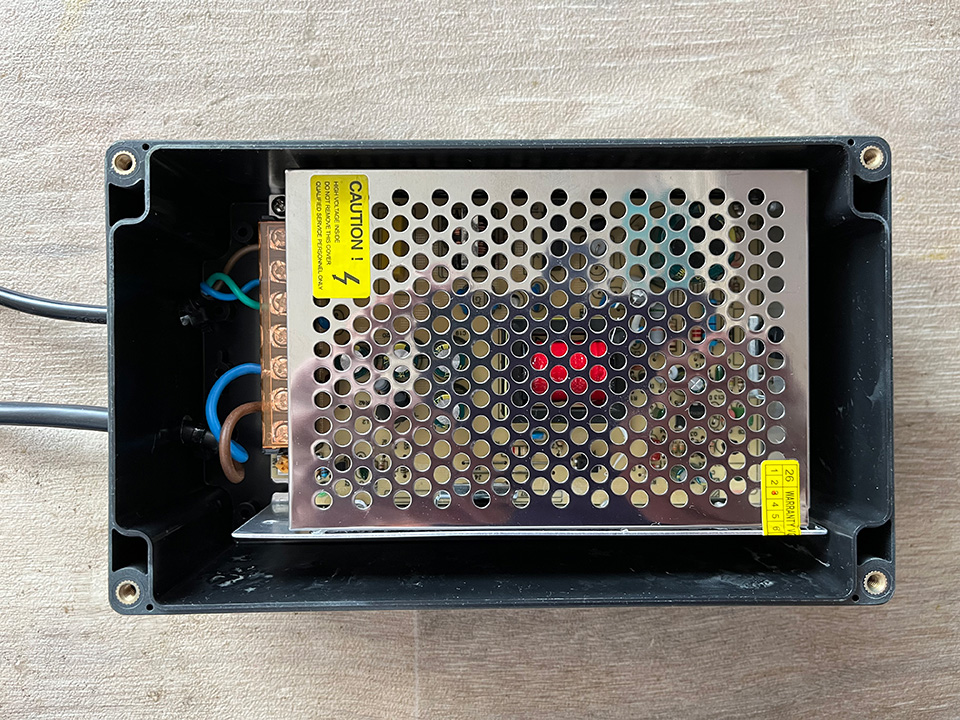
Power supply box sprayed Clansman Green. I’ve fitted a small cooling fan as the PSU produces a little heat.
Clansman BNC coax cable types:
You may have noticed that there are different types of BNC coax cables. They are: 2 mark. 3 mark. 4 mark. All types are 50 ohm RG58.
2-Mark (Mk2)
Early production standard
Typically:
Basic RG58-type 50Ω coax
Single braid screening
Standard BNC connectors
Performance:
Works fine, but least screened and least robust
Early issue / minimum acceptable spec
3-Mark (Mk3)
Mid-generation improvement
Changes over Mk2:
Better shielding coverage
Improved connector quality
Slightly better mechanical strength
Standard issue, most commonly seen surplus
4-Mark (Mk4)
Final / best Clansman spec
Improvements:
Enhanced screening (often denser braid or foil + braid)
Better RF containment (less leakage/feedback)
Improved weather sealing
Stronger strain relief and jacket
Vehicle-grade / high RF / best performance
Clansman Videos:
Video one:
Video two:
Video three: